Designing your presentation
Be quotable
A comment from one audience member:
"I am the director of safety for [redacted]. I am planning a transition from our current methodology, and I have been tasked with benchmarking CAST and STPA. I've explained the advantages of [CAST / STPA] to my leadership, but they want to see findings from other companies that have already tried it. The verbal workshop presentations were outstanding and persuasive, but the slides lack clear, citable bullet points to convince my leadership, who missed the talk. I need clear, concise answers to questions like:
- What exact benefits did others find, if any?
- What measurable improvements came from their work?
- Did their work accomplish anything beyond the standard practices?"
Think about a future advocate who wants to show others why your work matters. What statements could you include that would be easy for them to cite?
Think too about a neutral party, such as a program office learning about current methods and how well they work. Their role may require them to review existing research and conclusions without making new claims of their own. They may see value in your work but be unable to say anything you didn't state directly. Give them clear, concise evidence by saying exactly what was effective, what your work was worth, and what benefits it delivered.
Charts
Consider whether a chart could summarize your findings clearly.
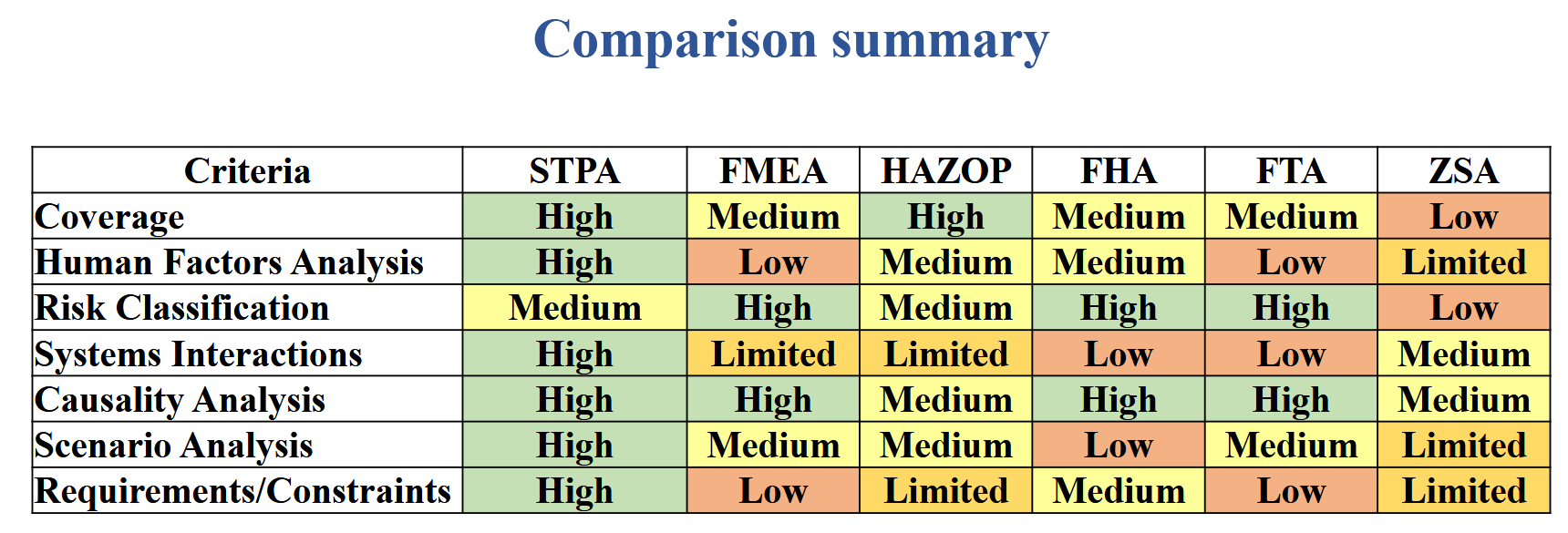
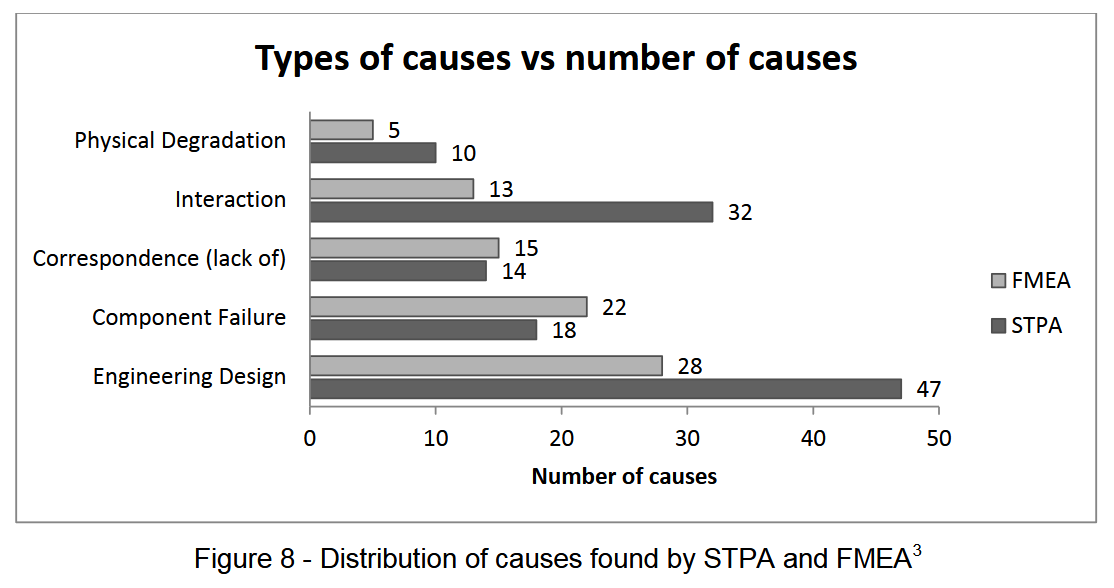
Counter hindsight bias
Watch out for hindsight bias. Once you show the audience a concern, mistake, or flaw in a system, it will look obvious to them from then on, as if any person or method should have caught it. One way around this is to show how a typical assumption or solution looks reasonable at first, and then how careful analysis revealed the flaw. Instead of presenting your final discoveries up front, recreate the "aha" moments you had during the work. Start with the incomplete or mistaken view that seemed reasonable, then show how your work led somewhere else or uncovered hidden assumptions and interactions.
Make the conclusions slide count
Don't repeat your earlier slides. Your conclusions should evaluate the work. Was it effective? Did it catch anything that would otherwise have been missed? What would have been lost if the work hadn't been done?
State your "aha" moments plainly, even if they seem obvious. A comment from a past workshop: "When soliciting workshop presentations in the future, consider making the 'AHA' moments one of the required elements. These are inevitably the most informative and persuasive results." One presenter had done great work but went deep into the details without stepping back to say what the breakthrough was and why it mattered.
Here is a past example. Was STPA effective in this work? You might guess, but the slides don't say. What unique insights did it produce? A skeptic could read the same presentation and conclude it wasn't useful, because the conclusions aren't stated. (In fairness to the authors, this guidance didn't exist yet.)
Conclusions should answer questions like these:
- Was STPA, CAST, or the method you used effective?
- Did your work help meet your objectives?
- What value did your work provide?
- Did it catch anything that might have been missed without it?
- Were there unique findings or insights that show its value?
- What would you recommend to others wondering whether a similar approach is worthwhile?
Avoid common STPA and CAST mistakes
- Review Common Mistakes Using STAMP (PDF)
- Review Common Mistakes in STPA and CAST (PDF)
- If your presentation involves STPA, review the STPA Handbook and its guidelines
- If it involves CAST, review the CAST Handbook and its guidelines
Estimate the time you spent
Attendees often ask how long these methods take to apply. The answer depends on many factors, and little has been published about the time real STPA or CAST projects took. If you can, include this information to help others planning similar projects. If you report the time, also mention:
- Whether the work was done by STPA or CAST experts
- Whether the team was learning the method during the time measured
- Whether the team worked on it full time
- How many people were on the team
Keep the introduction short
Most attendees come to learn about STAMP and the kinds of problems it can address, not the details of a particular system. A common mistake is spending longer than planned describing the system or application, then running out of time for the slides about what STPA or CAST revealed. Keep the introductory slides brief and spend your time on the most important parts of your work.
Spend most of your time on results
This is a STAMP audience, so focus on the STPA or CAST part of your talk. One effective split:
| Part | What to cover | Share of time |
|---|---|---|
| Overview | Your application and background | 15% |
| Your use of STPA, CAST, or another method | Control structure, unsafe control actions, and so on | 35% |
| Your evaluation of the results | Were the results useful and important? Could they be used in your operational or engineering environment? Did they produce insights that weren't otherwise known? Did they help you meet your objectives? How long did it take? | 35% |
| Conclusions | Include conclusions about the process as well as your system. Did the method work? Was it effective for your objectives? What value did your work provide, and which findings show it? What would you tell someone new to the method who is wondering whether to try it on a similar application? | 15% |
Do a dry run
Always rehearse, and time how long you spend on background compared with your findings. A good rule of thumb is no more than 15% of the time on introductory material. Get to the most interesting results quickly. The workshop includes tutorials on STAMP, STPA, and CAST, so you don't need to explain the methods.
Preparing and submitting slides
A few weeks before the workshop you'll get an email with a link for submitting slides. You can submit your as-presented slides and a separate version for the website. Usually these are the same, but some presenters submit a redacted version for the website when they can't get approval to post the full presentation. The website version can also include extra links, backup slides, or other useful material.
You don't have to post your slides, but we encourage you to share at least part of your presentation. Posting slides makes your work more visible, invites feedback, lets others cite you, and helps the community learn from one another.
Giving the presentation
In-person presentations
Your submitted slides will be loaded on the podium computer on the day of your talk. The podium shows presenter view, including your notes. We use the Logitech Spotlight remote, which has the usual forward and back buttons and can highlight any part of a slide. We'll show you how to use it at the presenters' meeting on the morning of your talk.
Virtual presentations
You'll share your screen and control your own slides. We'll have your slides ready to share as a backup in case of technical problems.